- Home
- Uncategorized
- how to deep clean bathroom


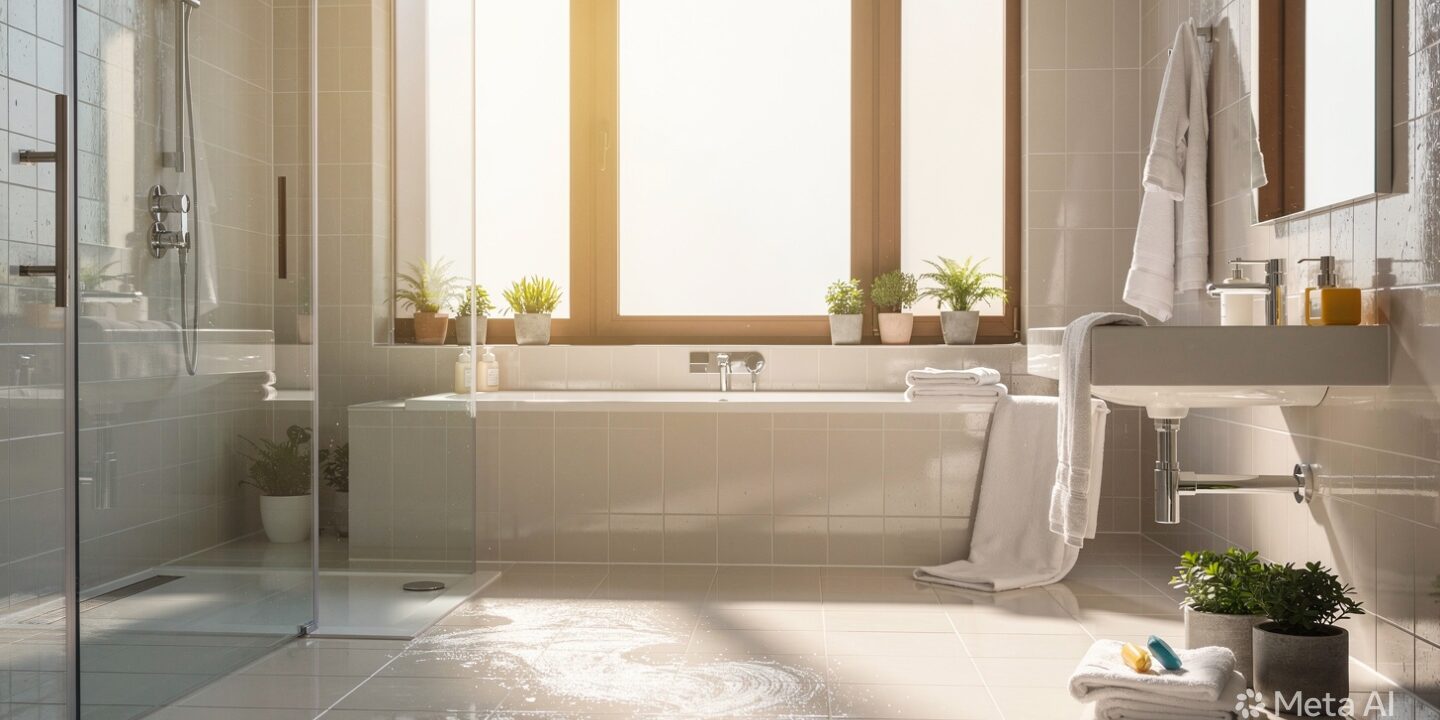
If you’re wondering how to deep-clean bathroom areas effectively, you’re not alone. Many homeowners clean their bathrooms regularly yet still struggle with stubborn grime, hidden mold, hard-water stains, and unpleasant odors.
A quick wipe-down may keep surfaces looking decent. However, dirt, bacteria, and moisture often build up in places that aren’t part of everyday cleaning routines. As a result, the bathroom can become less hygienic over time.
A proper deep clean bathroom routine goes beyond surface cleaning. It targets overlooked areas, removes accumulated buildup, and helps create a healthier environment for everyone in your home.
In this guide, you’ll learn proven cleaning techniques used by professional cleaners across the United States. Additionally, you’ll discover practical tips that save time while delivering better results.
Whether you’re preparing for guests, moving into a new home, or simply maintaining a cleaner living space, this guide will show you exactly how to achieve a thorough bathroom deep clean from top to bottom.
Why Deep Cleaning Your Bathroom Matters More Than Regular Cleaning

Many people assume that wiping down countertops and scrubbing the toilet is enough. However, regular cleaning only removes surface-level dirt.
Over time, moisture, soap residue, body oils, and mineral deposits collect in hidden areas. Consequently, bacteria and mold can grow even when the bathroom appears clean.
A thorough cleaning session helps eliminate contaminants that everyday cleaning often misses.
Health Benefits of a Thorough Bathroom Cleaning
A cleaner bathroom contributes directly to a healthier home environment.
- Reduces mold and mildew growth
- Removes harmful bacteria
- Improves indoor air quality
- Minimizes unpleasant odors
- Helps prevent allergy triggers
For example, shower grout and caulking frequently trap moisture. In fact, these areas are among the most common places for mold growth in American homes.
Protecting Your Bathroom Fixtures
Dirt buildup doesn’t just affect cleanliness. It can also shorten the lifespan of fixtures and surfaces.
- Hard water stains damage faucets
- Soap scum dulls shower glass
- Mineral deposits affect showerheads
- Moisture weakens grout and caulk
Therefore, investing time in a proper cleaning routine can help reduce future repair costs.
When Should You Deep Clean?
Most cleaning professionals recommend a complete bathroom deep clean every four to six weeks.
However, households with children, pets, or multiple occupants may benefit from more frequent cleaning sessions.
Additionally, bathrooms with poor ventilation often require extra attention because moisture accumulates faster.
Essential Supplies You’ll Need Before You Start
Before beginning your project, gather all supplies in one place. Doing so helps you work more efficiently and prevents interruptions.
The right tools can significantly improve cleaning results while reducing effort.
Basic Cleaning Products
- Disinfectant bathroom cleaner
- Glass cleaner
- Baking soda
- White vinegar
- Tile and grout cleaner
- Toilet bowl cleaner
- All-purpose cleaner
Many professional cleaners combine commercial products with household ingredients for better stain removal.
Recommended Cleaning Tools
- Microfiber cloths
- Scrub brushes
- Old toothbrushes for tight spaces
- Nonscratch sponges
- Rubber gloves
- Mop and bucket
- Spray bottles
Safety Tips Before Cleaning
Some cleaning products contain strong chemicals. Therefore, safety should always come first.
- Open windows for ventilation
- Wear protective gloves
- Avoid mixing cleaning chemicals
- Keep products away from children and pets
- Read product labels carefully
Once your supplies are organized and the room is prepared, the actual cleaning process becomes much
easier. In the next section, we’ll cover how to clean ceilings, vents, walls, and other overlooked surfaces that
often collect dust, moisture, and mold.
Step-by-Step Process: How to Deep Clean a Bathroom Like a Professional

Now that your supplies are ready, it’s time to start the actual cleaning process. Professional cleaners
Follow a systematic approach because it saves time and prevents recontaminating already cleaned areas
surfaces.
When learning how to deep clean bathroom spaces properly, always work from top
to bottom. This method ensures dust and debris fall onto areas that haven’t been cleaned yet.
Step 1: Remove Everything From Surfaces
Start by clearing countertops, shelves, shower caddies, and storage areas.
- Remove toiletries and personal items
- Take out trash bins
- Gather dirty towels and
bath mats - Empty storage baskets if necessary
Additionally, check expiration dates on products while organizing. Many homeowners discover unused
items taking up valuable space.
Step 2: Dust Before Applying Cleaners
Dust accumulates on light fixtures, vents, shelves, and baseboards. Therefore, remove loose debris
before introducing moisture.
- Dust exhaust fans
- Clean light fixtures
- Wipe wall corners
- Remove cobwebs
This step prevents dirt from turning into muddy residue later.
Step 3: Apply Cleaning Products and Let Them Work
One common mistake is scrubbing immediately after spraying the cleaner.
Instead, allow products to sit for several minutes. As a result, soap scum, bacteria, and mineral deposits
break down more effectively.
- Spray shower walls
- Apply toilet bowl cleaner
- Treat sink surfaces
- Spray tile
areas
Step 4: Clean High-Touch Areas
Focus on surfaces people touch most often.
- Door handles
- Light switches
- Cabinet pulls
- Faucet handles
In fact, these areas often contain more germs than visible bathroom surfaces.
Step 5: Finish With Floors
Always clean floors last.
Vacuum or sweep first. Then mop thoroughly, paying attention to corners and behind the toilet.
Following this workflow makes any deep clean bathroom project more efficient while
delivering noticeably better results.
How to Clean Showers, Bathtubs, and Glass Doors Effectively
The shower area often requires the most effort during a bathroom deep clean. Soap
scum, hard water stains, shampoo residue, and mold can build up quickly.
Fortunately, the right techniques make the process much easier.
Removing Soap Scum From Shower Walls
Soap scum forms when soap combines with minerals found in water.
To remove it effectively:
- Apply a bathroom cleaner or a vinegar solution
- Allow it to sit for 10 minutes
- Scrub using a non-abrasive sponge
- Rinse thoroughly with warm water
Additionally, regular maintenance prevents thick buildup from developing.
Cleaning Bathtubs Without Damaging Surfaces
Different tub materials require different cleaning methods.
Acrylic Bathtubs
- Use soft sponges only
- Avoid harsh abrasives
- Choose non-scratch cleaners
Porcelain Bathtubs
- Can handle stronger cleaners
- Remove stains with a baking soda paste
- Rinse thoroughly after scrubbing
For stubborn discoloration, repeat the treatment rather than using excessive force.
Restoring Shower Glass Clarity
Cloudy shower doors are usually caused by mineral deposits.
For example, many homes across the USA experience hard water buildup that leaves glass looking dull.
- Spray white vinegar on the glass
- Let it sit for several minutes
- Scrub gently with a microfiber cloth
- Rinse and dry completely
As a result, glass regains much of its original shine.
Don’t Forget the Showerhead
Mineral deposits often clog showerhead openings.
- Fill a plastic bag with vinegar
- Secure it around the showerhead
- Leave it for several hours
- Rinse thoroughly afterward
This simple technique improves water flow and helps maintain fixture performance.
Once the shower and bathtub are complete, you’ll notice one of the biggest visual transformations in your entire bathroom.
How to Deep Clean a Toilet for Maximum Hygiene
The toilet is one of the most frequently used fixtures in any bathroom. However, many people only clean the bowl and overlook surrounding areas where bacteria commonly accumulate.
A complete bathroom deep clean should address every part of the toilet, including hidden surfaces.
Start With the Toilet Bowl
Apply a quality toilet bowl cleaner under the rim and around the sides.
- Allow the cleaner to sit for 10 to 15 minutes
- Use a toilet brush to scrub thoroughly
- Focus on stains and mineral buildup
- Flush after cleaning
Additionally, repeat the process if hard water stains remain visible.
Disinfect Exterior Surfaces
Many germs are found outside the bowl rather than inside it.
- Clean the tank handle
- Wipe the seat and lid
- Disinfect the base
- Clean behind the toilet
For example, small splashes and moisture often collect around the base, creating ideal conditions for
bacteria growth.
Address Hidden Problem Areas
Several spots are commonly missed during routine cleaning.
Areas Often Overlooked
- Seat hinges
- Underside of the rim
- Water supply line
- Floor around the base
In fact, these areas can contribute to persistent odors even after the toilet appears clean.
Eliminate Lingering Odors
If unpleasant smells remain after cleaning, investigate nearby surfaces.
- Wash the surrounding walls
- Clean grout near the toilet
- Check for moisture buildup
- Disinfect nearby baseboards
As a result, the entire bathroom feels fresher rather than simply looking cleaner.
A properly sanitized toilet is a key part of any successful deep clean bathroom
routine.
Cleaning Sinks, Vanities, Mirrors, and Fixtures Like New
The sink area is often the most visible part of a bathroom. Toothpaste residue, soap buildup, water
spots, and fingerprints can quickly make the space look untidy.
Fortunately, restoring shine is usually straightforward with the right process.
Deep Clean the Sink Basin
Start by removing any items from the countertop.
- Clear soap dispensers
- Remove toothbrush holders
- Empty decorative containers
- Discard unnecessary clutter
Afterward, apply a bathroom cleaner and scrub the basin thoroughly.
Additionally, pay attention to the drain area where residue often accumulates.
Refresh Countertops and Vanity Surfaces
Different countertop materials require slightly different care.
- Use non-abrasive products on stone surfaces
- Wipe the laminate with all-purpose cleaner
- Remove water spots promptly
- Dry surfaces after cleaning
This helps preserve the finish and reduce future staining.
Make Mirrors Streak-Free
Few things make a bathroom feel cleaner than crystal-clear mirrors.
For best results:
- Spray cleaner onto a cloth instead of the mirror
- Work from top to bottom
- Use microfiber cloths
- Buff dry after cleaning
Therefore, you can avoid streaks and residue.
Restore Shine to Faucets and Fixtures
Water spots often dull chrome, stainless steel, and brushed nickel fixtures.
- Remove buildup using a vinegar solution
- Clean around faucet bases
- Polish with a dry microfiber cloth
- Inspect aerators for mineral deposits
As a result, fixtures regain their original appearance.
Organize While Cleaning
A thorough cleaning session is also a great opportunity to improve organization.
- Remove expired products
- Group similar items together
- Create designated storage zones
- Reduce countertop clutter
Consequently, your bathroom remains easier to maintain between deep cleaning sessions.
Tile, Grout, and Floor Restoration Techniques
Even after cleaning fixtures, dirty grout lines, and stained floors can make the entire bathroom appear
neglected.
That’s why professionals spend extra time restoring these surfaces during a bathroom deep cleaning
clean.
Why Grout Gets Dirty So Quickly
Grout is naturally porous. Therefore, it absorbs moisture, soap residue, and dirt over time.
As a result, grout lines often become darker and harder to clean.
How to Clean Grout Effectively
For moderate staining, a baking soda paste works well.
- Mix baking soda with water
- Apply directly to grout lines
- Let it sit for several minutes
- Scrub using a grout brush
Additionally, specialized grout cleaners may be necessary for severe discoloration.
Removing Mold and Mildew
Bathrooms with high humidity frequently experience mold growth.
- Inspect corners carefully
- Check around tubs and showers
- Clean caulking thoroughly
- Improve ventilation afterward
In fact, preventing future moisture buildup is just as important as removing existing mold.
Deep Cleaning Bathroom Floors
Floors collect dust, hair, water spots, and cleaning residue.
Before mopping:
- Sweep thoroughly
- Vacuum corners
- Clean behind fixtures
- Remove debris from edges
Then mop using a suitable floor cleaner.
Floor Areas Commonly Missed
- Behind the toilet
- Under cabinets
- Along baseboards
- Near shower entrances
These hidden spots often contain the most dirt.
Protecting Floors After Cleaning
Once floors are dry, consider sealing grout if recommended for your flooring type.
Additionally, regular maintenance helps preserve the results of your deep clean bathroom effort for much longer.
Bathroom Cleaning Methods Compared
Not all cleaning approaches deliver the same results. Some methods are quick but temporary, while
others provide longer-lasting cleanliness and better hygiene.
| Cleaning Method | Time Required | Effectiveness | Best For |
|---|---|---|---|
| Quick Surface Wipe | 10-15 Minutes | Low | Daily Maintenance |
| Weekly Standard Cleaning | 30-45 Minutes | Moderate | Routine Upkeep |
| DIY Deep Cleaning | 2-4 Hours | High | Monthly Cleaning |
| Professional Cleaning Service | 1-3 Hours | Very High | Heavy Buildup and Move-In Cleaning |
For most homeowners, a monthly bathroom deep clean combined with weekly
maintenance offers the best balance between cleanliness and effort.
How This Method Compares to Common Cleaning Advice Online
Many online guides focus only on visible surfaces. However, professional cleaning standards go much
further.
The process outlined in this guide addresses hidden problem areas, long-term maintenance, and
practical techniques used by experienced cleaners.
| Feature | Typical Online Guides | This Guide |
|---|---|---|
| Surface Cleaning | Yes | Yes |
| Fixture Protection Tips | Limited | Comprehensive |
| Hidden Germ Hotspots | Often Missed | Included |
| Grout Restoration | Basic Advice | Detailed Process |
| Professional Techniques | Rarely Included | Included |
| Maintenance Strategies | Limited | Step-by-Step Guidance |
As a result, readers gain a more complete understanding of how to deep clean bathroom</ strong> spaces efficiently while achieving longer-lasting results.
Pros and Cons of Deep Cleaning Your Bathroom Yourself
Before starting a major cleaning project, it’s important to understand both the benefits and potential
challenges.
Pros
- Improves overall hygiene
- Reduces bacteria and mold growth
- Protects fixtures and surfaces
- Creates a fresher environment
- Saves money compared to frequent professional services
- Helps identify maintenance issues early
Cons
- Requires time and effort
- Some stains may need repeated treatment
- Heavy buildup can be difficult to remove
- Specialized products may be necessary
- Large bathrooms take
longer to clean thoroughly
However, most homeowners find that the benefits significantly outweigh the drawbacks. Additionally,
regular maintenance reduces the amount of work required during future cleaning sessions.
Customer Testimonial Highlights
Homeowners across the United States often report similar improvements after completing a thorough
deep clean bathroom routine.
Common Results People Notice
- Bathrooms feel noticeably fresher
- The shower glass looks clearer
- Fixtures regain their shine
- Odors disappear
- Cleaning becomes easier afterward
Real-World Feedback Themes
“The grout looked years newer after following a structured cleaning process.”
“Our bathroom felt cleaner than it had in months, even though we clean weekly.”
“Removing hidden buildup around fixtures made a bigger difference than expected.”
“The showerhead cleaning tip improved water pressure immediately.”
These experiences highlight why a complete bathroom deep clean often delivers
results that regular cleaning simply cannot achieve.
Ready for a Cleaner, Healthier Bathroom?
A spotless bathroom is about more than appearance. It contributes to better hygiene, improved
comfort, and a healthier home environment.
By following the steps in this guide, you can confidently tackle every area of your bathroom, from grout
lines and shower glass to fixtures and flooring.
Additionally, maintaining a regular schedule prevents stubborn buildup from returning.
- Improve cleanliness throughout the home
- Reduce mold and bacteria growth
- Protect valuable bathroom fixtures
- Create a fresher, more inviting space
- Save time on
future cleaning sessions
If your bathroom hasn’t had a thorough cleaning in months, now is the perfect time to start. Apply
These professional techniques and experience the difference a true deep clean bathroom
routine can make.
Frequently Asked Questions
How often should I deep clean my bathroom?
Most experts recommend a complete deep cleaning every four to six weeks. However, larger
Households may benefit from cleaning more frequently.
What is the fastest way to deep-clean a bathroom?
The most efficient approach is to work from top to bottom, allow cleaning products time to sit, and
clean floors last.
How long does a bathroom deep clean take?
Most bathrooms require between two and four hours, depending on size, condition, and the amount of
buildup present.
What should I clean first when deep cleaning a bathroom?
Begin by removing clutter and dusting high surfaces. Afterward, apply cleaning products before
scrubbing individual fixtures.
Can vinegar be used for a bathroom deep clean?
Yes. Vinegar is effective for removing hard water stains, mineral deposits, and soap scum. However, it
should not be used on certain natural stone surfaces.
How do I remove stubborn grout stains?
A baking soda paste combined with a grout brush works well for many stains. Additionally, specialized
Grout cleaners may help with severe discoloration.
How can I keep my bathroom clean after deep cleaning?
Wipe surfaces weekly, improve ventilation, clean spills quickly, and follow a consistent maintenance
schedule to preserve results.
Conclusion
Learning how to deep clean bathroom spaces properly can transform one of the
most frequently used rooms in your home. Beyond appearance, thorough cleaning improves hygiene,
protects surfaces, and helps prevent costly maintenance issues.
By using the methods outlined in this guide, you’ll be able to maintain a cleaner, healthier, and more
comfortable bathroom throughout the year. Most importantly, consistent upkeep ensures that every future
bathroom deep clean becomes easier and more effective.

The creator of HowToMake0.com brings well-researched knowledge and practical creativity together, offering clear, step-by-step ideas and guides to turn concepts into real projects.