- Home
- Crafts & DIY
- What Are Tumbons? Meaning, Use ...


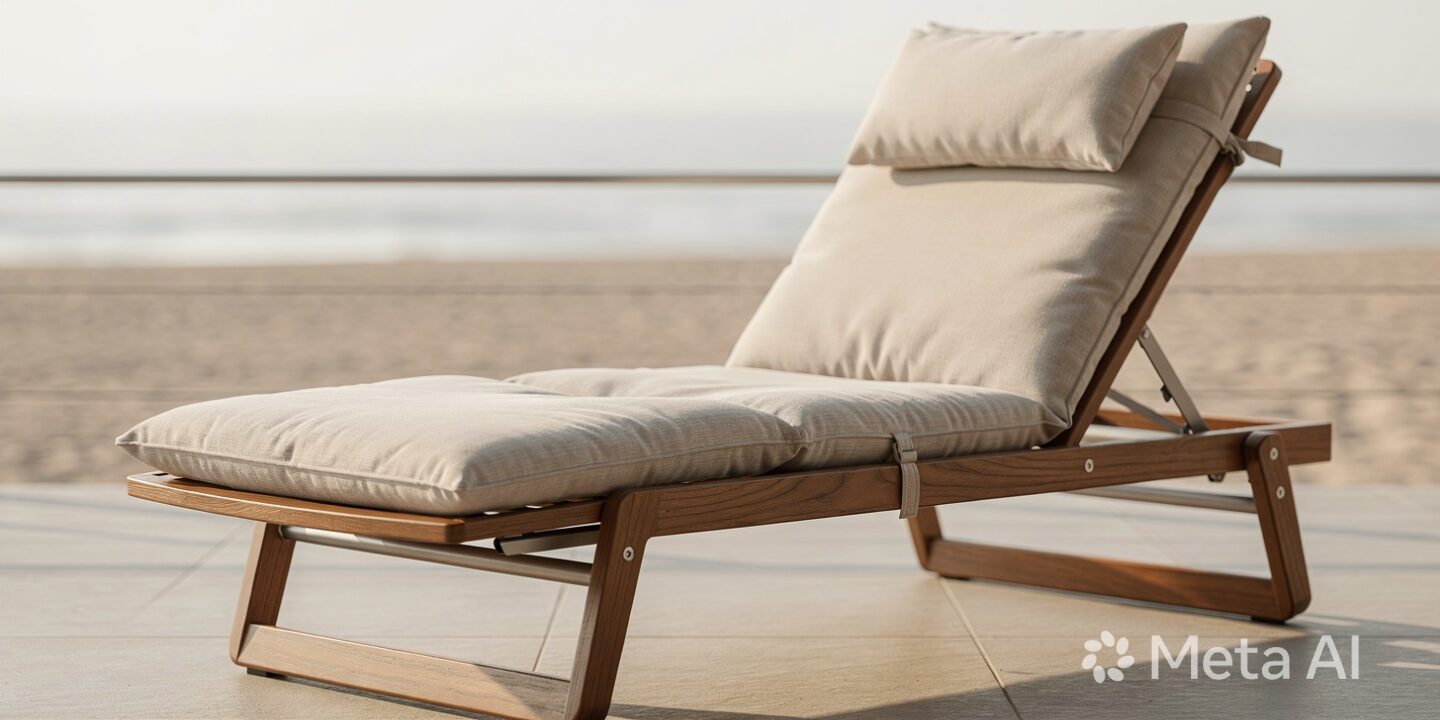
Have you ever dreamed of relaxing like you’re on a Mediterranean vacation? That’s exactly where tumbons shine. These elegant lounging chairs represent centuries of European design philosophy, blending comfort with timeless aesthetics.
Whether you’re furnishing a backyard oasis or enhancing your indoor living space, understanding tumbons opens up a world of relaxation possibilities. This guide explores what makes them special, how they evolved, and why American homeowners are increasingly choosing them.

Understanding Tumbons: More Than Just Furniture
A tumbon is a specialized reclining chair that bridges the gap between a traditional chair and a full daybed. Its defining characteristic is an adjustable backrest positioned at an ergonomic angle, paired with an extended seat platform. This design encourages proper body support for extended lounging periods.
The word “tumbón” originates from Spanish culture, reflecting its deep roots in Mediterranean design traditions. In Spain, a tumbona represents more than furniture. It symbolizes a lifestyle that prioritizes leisure, wellness, and intentional relaxation.
Here’s what sets tumbons apart:
- Adjustable or fixed backrest angled between 20 and 45 degrees
- Extended seating surface supporting full-body comfort
- Versatile materials, including wood, metal, and upholstered fabrics
- Suitable for both indoor and outdoor environments
- Ergonomically designed for health-conscious users
Today, tumours are experiencing a remarkable resurgence in North America. Design enthusiasts and wellness-focused homeowners recognize their unique value. They’re not merely luxury items. Rather, they’re practical investments in comfort and quality of life.
Why Tumbons Matter in Modern Home Design
Modern living often means sacrificing relaxation for productivity. Tumbons counter this trend by creating dedicated spaces for rest and recovery. In fact, having a designated lounging area improves mental health and reduces stress.
The appeal extends beyond aesthetics. These versatile pieces work equally well on a covered patio, in a sunroom, or as a bedroom statement piece. Additionally, they accommodate various body types and mobility needs, making them genuinely inclusive furniture.
Key reasons homeowners choose tumbons:
- Health benefits from proper ergonomic support during extended lounging
- Aesthetic versatility across multiple design styles and spaces
- Long-lasting durability when properly maintained
- Investment value that appreciates with quality craftsmanship
- Perfect for creating Instagram-worthy outdoor living spaces
Whether you’re drawn to Mediterranean styling, Scandinavian minimalism, or bohemian aesthetics, tumbons adapt beautifully. They become focal points that elevate entire room designs.
This comprehensive guide walks you through everything you need to know about selecting, building, or purchasing the perfect tumbon for your lifestyle.
The Rich History Behind Tumbons: Tracing Mediterranean Design Excellence

Where Did Tumbons Originate?
The story of tumbons begins in the Mediterranean region, particularly in Spain and southern Europe. For centuries, Spanish nobility and wealthy families embraced a lounging culture that prioritized comfort and leisure. This cultural value directly inspired the tumbon’s unique design.
Historians trace tumbona furniture back to Spanish colonial times. Wealthy Spanish estates featured these elegant pieces in courtyards and gardens. They became symbols of status, wealth, and refined taste. Moreover, the design reflected deeper values about work-life balance and personal wellness.
Here’s the historical timeline:
- 1600s-1700s: Spanish aristocracy develops early lounge chair prototypes
- 1800s: Design refines as Mediterranean leisure culture expands across Europe
- Early 1900s: Tumbona design becomes standardized in Europe and Latin America
- Mid-1900s: Introduction to North American markets through design enthusiasts
- 2020s: Resurgence in popularity among wellness-focused homeowners
Cultural Significance in Mediterranean Living
In Spain, the concept of “la siesta” represents more than a nap. It embodies a philosophy valuing rest, family time, and intentional relaxation. The tumbon became the perfect furnishing for this lifestyle. Therefore, understanding tumbons means appreciating Spanish and Mediterranean culture itself.
The Spanish word “tumbona” literally translates to a place for reclining or lounging. This linguistic origin reveals how integral resting was to Spanish daily life. Additionally, the design evolved to accommodate afternoon siestas, evening gatherings, and leisurely reading sessions.
Evolution to Modern Design
As interior design modernized, tumbona furniture adapted without losing its essential character. Contemporary versions maintain the ergonomic principles while embracing new materials and aesthetics. For example, modern tumbons feature weather-resistant fabrics, sustainable wood options, and minimalist styling.
The transition from purely handcrafted pieces to mass-produced versions democratized access. Now, homeowners at every budget level can experience tumbon comfort. This evolution represents a beautiful bridge between traditional craftsmanship and modern manufacturing efficiency.
Anatomy of Tumbons: Understanding the Design Elements
Core Structural Features That Define Tumbons
Every tumbon shares distinctive architectural elements that make it instantly recognizable. Understanding these features helps you evaluate quality and determine if a tumbon suits your needs.
The backrest angle is crucial. Most tumbons feature backrests positioned between 20-45 degrees from horizontal. This angle provides optimal support for extended lounging without requiring a fully upright seated position. Furthermore, many designs allow backrest adjustments, giving users customizable comfort levels.
Essential structural components include:
- Extended seat platform (typically 75-90 inches long)
- Angled backrest with ergonomic support
- Sturdy frame foundation (wood, metal, or hybrid)
- Leg structure engineered for stability and weight distribution
- Armrests for additional support and comfort
Materials That Make the Difference
Traditional tumbonas relied on solid wood construction. Spanish artisans preferred hardwoods like oak, cedar, and teak. These materials withstand Mediterranean climates while aging beautifully. However, modern tumbons incorporate diverse materials depending on intended use and aesthetic preference.
Material choices significantly impact durability and maintenance requirements. For instance, teak wood naturally resists weathering and requires minimal treatment. Conversely, softwoods may need regular sealing and protection from moisture.
Common tumbon materials today:
- Solid wood frames (teak, cedar, oak, pine)
- Metal frames (aluminum, steel, wrought iron)
- Upholstery fabrics (outdoor-grade textiles, leather, woven materials)
- Cushioning options (foam, natural fibers, memory foam)
- Finishes (stains, paints, natural sealants)
Ergonomic Advantages for Your Body
The tumbon design specifically addresses common lounging discomfort points. The angled backrest reduces strain on your lower spine. Additionally, the extended seat platform supports proper leg elevation, improving circulation and reducing pressure on joints.
This ergonomic approach contrasts sharply with flat furniture like standard loungers or beds. In fact, many users find tumbons prevent the aches associated with prolonged lounging on improperly supported surfaces. The design encourages healthy posture even during relaxation.
Health-conscious homeowners appreciate how tumbons support recovery, reading sessions, and afternoon rest periods. Therefore, they’re increasingly recommended by wellness professionals and interior designers.
Exploring Tumbon Styles: From Classic to Contemporary
Traditional Spanish Colonial Design
Classic tumbona furniture showcases the heritage of Mediterranean craftsmanship. These pieces feature hand-carved wooden frames with ornate details, decorative finials, and rich finishes. Leather or high-quality textile upholstery completes the luxurious aesthetic.
Traditional designs emphasize quality over quantity. Artisans spend months perfecting each piece, resulting in heirloom-quality furniture. Furthermore, Spanish colonial tumbons often include carved armrests and decorative legs that become conversation starters in any space.
These classic pieces work beautifully in:
- Mediterranean villas and hacienda-style homes
- Traditional formal living rooms
- Courtyard gardens and covered patios
- Libraries and study spaces
- Luxury resort-inspired bedrooms
Modern Minimalist Interpretations
Contemporary tumbons strip away ornamentation in favor of clean lines and functional elegance. Modern designs emphasize simplicity without sacrificing comfort. These pieces suit Scandinavian, industrial, and minimalist home aesthetics.
Minimalist tumbon variations typically feature natural wood finishes, neutral upholstery colors, and streamlined construction. In contrast to ornate traditional pieces, modern tumbons let architectural simplicity speak for itself. This approach appeals to design-conscious homeowners seeking timeless pieces over trendy furniture.
Modern styles complement:
- Contemporary urban apartments
- Scandinavian-inspired interiors
- Industrial loft spaces
- Minimalist home offices
- Modern coastal cottages
Bohemian and Eclectic Approaches
Bohemian tumbons embrace color, pattern, and mixed materials. These pieces feature woven textiles, colorful upholstery, and globally-inspired design elements. Additionally, bohemian versions often incorporate reclaimed wood or vintage frames with updated cushioning.
This style celebrates individuality and personal expression. Therefore, no two bohemian tumbons look identical, making each piece unique to its owner’s aesthetic preferences.
Outdoor and Weather-Resistant Options
Specialized outdoor tumbons use weather-resistant materials designed for exposure. These include marine-grade fabrics, treated wood, and aluminum frames. For example, pool-adjacent tumbons (tumbonas para piscina in Spanish) feature water-resistant cushioning and quick-dry technologies.
Outdoor variations maintain the classic tumbon proportions while prioritizing durability. The extended lounging experience translates seamlessly from protected patios to exposed garden settings. Moreover, modern outdoor materials have eliminated the maintenance headaches of previous generations.
Whether you prefer traditional elegance, modern simplicity, or bohemian flair, tumbon variations exist to match your aesthetic vision and lifestyle needs.
The Wellness Advantage: Why Tumbons Support Better Health
Ergonomic Support for Your Spine and Back
The angled backrest design of tumbons provides targeted spinal support that flat lounging surfaces simply cannot match. When you recline on a standard bed or floor, your spine lacks proper alignment. The tumbon’s ergonomic angle distributes weight evenly across your back and neck.
This thoughtful design reduces pressure points that cause discomfort during extended lounging. Furthermore, the angled position encourages natural spinal curvature, preventing the slouching that leads to back pain. Medical professionals increasingly recommend tumbons for people recovering from injuries or managing chronic back conditions.
Specific spinal benefits include:
- Reduced lower back strain during 2-4 hour lounging sessions
- Proper cervical spine alignment without neck twisting
- Decreased pressure on intervertebral discs
- Natural support for people with arthritis or spinal conditions
- Prevention of the aches associated with improper resting positions
Circulation and Leg Elevation Benefits
Extended seat platforms on tumbons naturally elevate your legs during lounging. Leg elevation improves venous return, the mechanism that helps blood flow back to your heart from your lower extremities. In fact, medical professionals recommend leg elevation for people with circulatory issues, swelling, or varicose veins.
This elevation feature makes tumbons particularly valuable for certain populations. For example, pregnant women, elderly individuals, and people with circulation concerns all benefit from proper leg support. Additionally, athletes use tumbons for recovery, as elevated lounging reduces inflammation and promotes healing.
Mental Health and Stress Reduction
Beyond physical benefits, tumbons profoundly impact mental wellness. Having a dedicated relaxation space encourages intentional rest breaks from daily stress. Therefore, homeowners with tumbons report improved sleep quality and reduced anxiety levels.
The act of lounging itself promotes parasympathetic nervous system activation, your body’s relaxation response. This physiological shift triggers lower cortisol levels and reduced blood pressure. Furthermore, the Mediterranean philosophy of intentional leisure, embodied by tumbons, contradicts modern culture’s productivity obsession.
Supporting Diverse Body Types and Mobility Needs
Tumbons accommodate various body sizes and physical limitations better than standard seating. The extended platform removes pressure from weight-bearing joints. Moreover, the adjustable backrest options allow customization for individual comfort preferences.
This inclusivity makes tumbons genuinely universal furniture pieces. Whether you’re tall, have mobility restrictions, or simply value comfort, tumbons adapt to your needs. The design philosophy prioritizes human well-being above aesthetic trends.
Designing with Tumbons: Placement and Style Integration
Indoor Spaces That Welcome Tumbons
Tumbons excel in various indoor environments. The key is identifying spaces with adequate natural light and room for leisurely lounging. Master bedrooms work beautifully, offering private retreat spaces for morning reading or afternoon relaxation.
Sunrooms provide ideal tumbon placement, combining natural light with architectural appeal. The large windows and bright atmosphere enhance the Mediterranean leisure experience. Similarly, dedicated reading nooks or home offices benefit from tumbon additions, transforming workspaces into multi-functional wellness areas.
Best indoor locations for tumbons:
- Master bedrooms as statement furniture pieces
- Sunrooms and garden rooms with abundant natural light
- Home libraries and reading spaces
- Meditation or wellness rooms
- Contemporary home offices with relaxation zones
Outdoor Spaces and Patio Design
Outdoor environments showcase tumbons’ true potential. Covered patios, screened porches, and open decks all accommodate tumbons beautifully. The extended lounging experience transforms ordinary outdoor spaces into resort-like retreats.
Consider your climate when selecting outdoor tumbons. In sunny regions, position them in partial shade or pair with pergolas and umbrellas. For humid climates, weather-resistant materials become essential. Furthermore, covered spaces protect tumbons from direct rainfall while maintaining fresh air exposure.
Outdoor placement strategies:
- Covered patios with pergola or shade structures
- Poolside lounging areas (tumbonas para piscina)
- Garden nooks surrounded by landscaping
- Deck corners with strategic sightlines
- Screened porches combine indoor comfort with outdoor connection
Styling and Accessorizing Your Tumbon
A well-styled tumbon becomes a focal point that elevates the entire room’s aesthetics. Layer cushions in coordinating colors and textures for visual interest. Additionally, throw blankets add warmth and casual elegance while serving practical purposes during cooler months.
Surrounding accessories matter tremendously. A small side table holds books, beverages, or decorative items. Ambient lighting through floor lamps or string lights enhances the relaxation atmosphere. In fact, thoughtful styling transforms a simple tumbon into an Instagram-worthy design statement.
Design coordination tips:
- Match cushion colors to existing room palettes
- Add textured throws for visual depth and comfort
- Position beside small tables for functionality
- Incorporate warm lighting for an inviting ambiance
- Use nearby planters and decor to create complete vignettes
Whether indoors or outside, successful tumbon integration requires thoughtful placement combined with complementary styling. The result is a space that feels both luxurious and deeply personal.
Build Your Own Tumbon: Complete Step-by-Step Guide
Materials You’ll Need for Tumbon Construction
Building tumbons at home requires quality materials that ensure durability and comfort. Choosing the right wood dramatically impacts your final result. Cedar, teak, and oak provide excellent weather resistance and longevity.
For a basic tumbon project, budget between $200-500 depending on material choices. Premium hardwoods cost more upfront but outlast cheaper alternatives by decades. Furthermore, quality materials reduce maintenance requirements over time.
Essential materials for DIY tumbons:
- Solid wood boards (2×6, 2×4, 1×12 cedar, oak, or pine)
- Wood stain or sealant for weather protection
- Upholstery fabric (outdoor-grade polyester or natural fibers)
- High-density foam padding (3-4 inches recommended)
- Fasteners (screws, wood glue, brackets for reinforcement)
Tools Required for Construction
You don’t need an extensive workshop to build tumbons successfully. Basic carpentry tools suffice for most designs. However, having proper equipment prevents mistakes and ensures safety throughout the building process.
Many homeowners rent specialized tools rather than purchasing them outright. This approach keeps costs minimal while accessing quality equipment. Additionally, tool rental shops offer guidance on proper usage.
Required tools include:
- Circular saw, or miter saw, for precise cuts
- Power drill with multiple bits
- Orbital sander for smooth finishing
- Tape measure and carpenter’s square
- Staple gun for upholstery attachment
Step-by-Step Construction Process
The tumbon building process spans 20-40 hours for beginners. Breaking work into phases prevents overwhelm. Start with frame construction, then progress to finishing and upholstery stages.
Step one involves creating the main frame structure. Cut wood pieces according to your chosen dimensions (typically 75-90 inches long). Additionally, establish your backrest angle between 20 and 45 degrees for optimal comfort.
Next, assemble the base platform that supports extended lounging. This foundation must be incredibly sturdy, as it bears your entire body weight during use. Furthermore, proper bracing prevents wobbling and ensures years of safe relaxation.
The backrest assembly comes third. Engineer this at your chosen angle using wood blocks or angled cuts. Testing the angle with temporary seat placement helps confirm comfort before final attachment.
After structural completion, sand all surfaces smooth. This prevents splinters and prepares wood for finishing. Then apply weather-resistant stain or sealant according to your climate needs.
Finally, upholster the frame using quality outdoor fabric and high-density foam. Secure cushioning with a staple gun, ensuring tight, wrinkle-free application. This final step transforms raw wood into a comfortable, luxurious lounging piece.
Tumbons: Should You Buy or Build? Complete Decision Guide
Comparing Costs: DIY vs. Pre-Made Purchase
The financial decision between building and buying tumbons depends on multiple factors beyond initial price. While DIY projects appear cheaper on the surface, hidden costs sometimes emerge. Conversely, premium retailers charge more upfront but deliver finished products immediately.
Budget-conscious homeowners often choose DIY construction to maximize savings. You can build quality tumbons for $200-500 total. However, this estimate assumes you already own basic tools or can rent them affordably.
Pre-made tumbon pricing varies dramatically by quality level:
- Budget mass-produced tumbons: $800-1,500
- Mid-range quality furniture: $1,500-3,500
- Premium artisan-crafted pieces: $3,500-8,000
- Luxury designer tumbons: $8,000-15,000+
- Custom bespoke commissions: $10,000-25,000+
When to Buy Pre-Made Tumbons
Purchasing pre-made tumbons makes sense in specific situations. If you lack construction experience or available time, buying eliminates stress and guarantees professional results. Furthermore, manufacturers provide warranties protecting your investment.
Consider buying when you desire specific design aesthetics that require specialized skills. For example, hand-carved Spanish colonial tumbons demand expert craftsmanship that DIY builders rarely achieve. Additionally, some high-end upholstery techniques require professional experience.
Purchase pre-made if:
- You prioritize convenience over cost savings
- You want warranty coverage and customer service
- You desire designer finishes or custom colors
- You lack workshop space or tool access
- You need immediate delivery (within weeks)
When to Build Your Own Tumbon
DIY tumbon building appeals to hands-on homeowners who enjoy projects and want maximum savings. The process takes 20-40 hours but results in genuine ownership pride. Moreover, building allows complete customization to match your exact specifications and preferences.
DIY construction empowers you to select every material detail. Choose specific wood types, fabric colors, and cushion firmness. In fact, many builders create unique designs that stores simply don’t offer commercially.
Build your own if:
- You have workshop space and basic tools available
- You enjoy hands-on DIY projects and woodworking
- You want significant cost savings (50-70% reduction)
- You prefer complete customization control
- You have a flexible timeline (no rush delivery needed)
Comparison Table: Key Factors
| Factor | DIY Building | Buying Pre-Made |
|---|---|---|
| Initial Cost | $200-500 | $800-25,000+ |
| Time Investment | 20-40 hours | 1-3 weeks delivery |
| Customization | Complete control | Limited options |
| Skill Required | Beginner-intermediate | None required |
| Warranty Coverage | Self-responsible | Manufacturer backed |
| Professional Finish | Depends on skill | Guaranteed |
| Space Requirements | Workshop needed | No space needed |
| Design Options | Unlimited variation | Catalog selection |
Top Retailers for Pre-Made Tumbons
Quality matters when purchasing pre-made tumbons. Established retailers combine fair pricing with reliable customer service. Several companies specialize exclusively in Mediterranean and Spanish furniture, offering authentic designs.
Look for retailers offering detailed product descriptions, material specifications, and warranty information. Additionally, read customer reviews before committing to purchases. Reputable sellers provide clear return policies and responsive customer support.
Popular tumbon retailers include:
- Specialty Mediterranean furniture brands (USA-based artisans)
- High-end outdoor furniture retailers with European collections
- Interior design showrooms specializing in luxury lounging
- Artisan marketplace platforms connecting buyers with craftspeople
- Direct-to-consumer European manufacturers with US distribution
Whether you build or buy, investing in a quality tumbon enhances your living space and daily wellness. The right choice depends on your budget, skills, timeline, and design preferences.
Protecting Your Investment: Tumbon Maintenance and Care
Wood Care and Seasonal Protection
Proper wood maintenance ensures your tumbon lasts 10-20+ years with minimal degradation. Whether indoors or outdoors, wood requires protective treatments against moisture, UV exposure, and temperature fluctuations. Neglecting maintenance accelerates wear and compromises structural integrity.
Outdoor tumbons face greater weathering challenges than indoor pieces. Sun exposure fades, finishes, and weakens wood fibers over time. Therefore, annual inspection and maintenance become essential for outdoor furniture longevity.
Wood maintenance essentials:
- Reapply protective stain or sealant annually (outdoor pieces)
- Clean surfaces with mild soap and soft-bristle brushes
- Address water spots and stains promptly before they set
- Tighten hardware and check for structural movement
- Sand and refinish when the finish shows wear or cracking
Upholstery and Fabric Care Strategies
Quality upholstery requires regular maintenance to prevent staining and deterioration. Modern outdoor fabrics resist the weather better than traditional materials, but they still need care. Prompt attention to spills prevents permanent damage and extends fabric lifespan significantly.
Different fabrics demand different cleaning approaches. Outdoor-grade polyester fabrics tolerate scrubbing better than delicate natural fibers. Furthermore, understanding your specific fabric type prevents cleaning mistakes.
Upholstery care tips:
- Blot spills immediately with clean, dry cloths
- Clean surfaces monthly with a mild detergent solution
- Allow cushions to dry completely before use (prevents mildew)
- Store removable cushions indoors during the winter months
- Apply fabric protectant treatments annually for water resistance
Seasonal Storage and Winter Protection
Cold climates require seasonal storage strategies for outdoor tumbons: freezing temperatures and heavy snow damage exposed furniture quickly. Therefore, storing pieces in sheds, garages, or covered structures during winter prevents costly damage.
Even in mild climates, protective covers extend tumbon lifespan. Quality furniture covers shield against rain, dust, and UV exposure. Additionally, covers reduce cleaning frequency when the tumbon sits unused seasonally.
Deep Cleaning and Restoration
Occasionally, tumbons need thorough deep cleaning beyond routine maintenance. Professional restoration services can refinish wood, repair upholstery, and address structural issues. In fact, professional restoration often costs less than replacing damaged pieces.
DIY deep cleaning begins with wood stripping and refinishing. You can rent industrial sanders and apply fresh finishes. However, complex upholstery repairs may justify professional help.
Deep maintenance schedule:
- Every 2-3 years: Major wood refinishing or restaining
- Every 5 years: Professional upholstery inspection and repair
- As needed: Hardware replacement and structural reinforcement
- Annually: Thorough cleaning and protective treatment application
With consistent care, quality tumbons become cherished pieces that improve with age, gaining character while maintaining functionality.
How Tumbons Compare to Other Lounging Furniture
Tumbons vs. Traditional Recliners
Traditional recliners and tumbons serve similar purposes but deliver distinctly different experiences. Recliners prioritize motorized adjustability and often feature bulkier frames. In contrast, tumbons emphasize elegant simplicity combined with ergonomic design.
The aesthetic difference is immediately apparent. Recliners typically feature modern, sometimes industrial styling that suits contemporary spaces. However, tumbons offer sophisticated Mediterranean aesthetics that elevate any design scheme. Furthermore, recliners require electrical connections, while tumbons function independently.
Recliners excel for specific uses like movie watching with automatic footrest elevation. Yet tumbons provide superior comfort for extended afternoon relaxation, reading sessions, and wellness-focused lounging. Additionally, tumbons take up less visual space in rooms despite similar functionality.
Tumbons vs. Daybeds and Chaise Lounges
Daybeds serve dual purposes as seating and sleeping surfaces. However, their design compromises optimal comfort for either function. Tumbons, by contrast, specialize exclusively in lounging ergonomics without attempting to function as beds.
Chaise lounges provide leg elevation but often lack proper backrest support for extended lounging. The typical chaise design doesn’t prevent slouching or poor spinal alignment. Tumbons, with their engineered backrest angles, maintain proper body support throughout hours-long lounging sessions.
Cost considerations also matter. Quality daybeds and chaise lounges typically cost $1,000-3,000. Comparable tumbon quality ranges from $800-2,500, offering better value. Moreover, tumbons’ specialized design means less money wasted on features you don’t need.
Comparison Table: Lounging Furniture Options
| Feature | Tumbons | Recliners | Daybeds | Chaise Lounges |
|---|---|---|---|---|
| Ergonomic Support | Excellent | Good | Fair | Fair |
| Extended Lounging (4+ hrs) | Excellent | Good | Fair | Fair |
| Aesthetic Appeal | Excellent | Fair | Good | Good |
| Dual Function (Sit/Sleep) | Minimal | Minimal | Excellent | Fair |
| Space Efficiency | Good | Fair | Fair | Good |
| Price Range | $200-$8,000 | $600-$3,000 | $1,000-$4,000 | $800-$3,500 |
| Maintenance Level | Low-Moderate | Moderate | Moderate | Low-Moderate |
| Design Versatility | Excellent | Fair | Good | Good |
Why Tumbons Stand Out
The tumbon’s competitive advantage lies in specialization. Rather than compromising design for multiple purposes, tumbons perfect a single function: comfortable, healthy, beautiful lounging. This focused approach creates superior ergonomics and aesthetic appeal.
Tumbons uniquely combine three critical advantages. First, they provide exceptional health benefits through engineered backrest angles and leg elevation. Second, they deliver sophisticated Mediterranean aesthetics that enhance spaces immediately. Third, they offer genuine flexibility across price points, from budget DIY builds to luxury artisan pieces.
Additionally, tumbons work equally well indoors and outdoors, a versatility few furniture pieces match. Their timeless design never goes out of style, unlike trendy recliners or modern chaises. Therefore, tumbons represent intelligent investments in both wellness and home value.
For Americans seeking sophisticated lounging furniture that prioritizes health, aesthetics, and longevity, tumbons outperform traditional alternatives in virtually every meaningful way.
Honest Assessment: Tumbons Advantages and Disadvantages
The Compelling Advantages of Tumbons
Tumbons offer numerous benefits that explain their growing popularity among American homeowners. Understanding these advantages helps determine if a tumbon suits your lifestyle and needs.
Superior ergonomic design stands out as the primary advantage. The angled backrest naturally supports proper spinal alignment during extended lounging. Furthermore, the extended platform elevates legs, improving circulation and reducing joint pressure. These health benefits differentiate tumbons from standard lounging furniture.
Key advantages include:
- Exceptional health benefits through engineered ergonomic design
- Sophisticated Mediterranean aesthetics elevate any space
- Versatile functionality for indoor and outdoor use
- Wide price range accommodating different budgets ($200-$25,000)
- Timeless design that never goes out of style
- Durability lasting 10-20+ years with proper maintenance
- DIY building options for cost-conscious homeowners
- Genuine inclusivity, accommodating various body types and mobility needs
Additionally, tumbons create dedicated relaxation spaces that encourage intentional wellness. In today’s productivity-obsessed culture, having furniture that promotes rest becomes genuinely valuable. The psychological benefit of a designated lounging area shouldn’t be underestimated.
Design flexibility represents another significant advantage. Tumbons adapt beautifully to Mediterranean, minimalist, bohemian, and contemporary aesthetics. Therefore, style diversity means tumbons work in virtually any home design scheme.
Legitimate Disadvantages and Limitations
Honest assessment requires acknowledging tumbon limitations. They’re not perfect for everyone, and certain situations make other furniture better choices. Understanding potential drawbacks helps you make informed decisions.
Space requirements pose the primary limitation. Tumbons typically span 75-90 inches in length. Therefore, small apartments or studio spaces may struggle with placement. Unlike compact recliners or armchairs, tumbons demand significant floor area.
Disadvantages to consider:
- Substantial space requirements (75-90 inches long)
- Not ideal for small apartments or compact homes
- Primarily designed for lounging, not multiple daily functions
- Premium versions carry high upfront costs
- DIY construction requires time commitment and some skill
- Outdoor versions need regular maintenance in harsh climates
- Heavier than many alternative lounging options (moving challenges)
- Requires proper cushioning for comfort (adds ongoing expenses)
Maintenance demands also deserve consideration. While not excessive, outdoor tumbons require seasonal care, protective treatments, and occasional refinishing. In fact, neglected pieces deteriorate faster than well-maintained alternatives.
Additionally, tumbons work best in homes with a dedicated leisure space. Apartments or homes where every square foot serves multiple purposes may find tumbons impractical. Similarly, frequent movers should consider portability challenges before investing.
Who Should Buy Tumbons (And Who Should Look Elsewhere)
Tumbons suit specific lifestyles and preferences perfectly. However, they’re not universally ideal. This assessment helps you determine genuine compatibility.
Tumbons work best for:
- Homeowners with dedicated outdoor or sunroom spaces
- Wellness-focused individuals prioritizing health and relaxation
- Design enthusiasts seeking Mediterranean or sophisticated aesthetics
- Remote workers want dedicated break/relaxation areas
- Readers and quiet activity enthusiasts
- People with back pain or circulation concerns
- Homeowners planning long-term residence (5+ years)
Conversely, consider alternatives if:
- You live in small apartments or studio spaces
- You move frequently and need portable furniture
- You need multipurpose furniture (sleeping and sitting)
- Your budget is strictly limited to under $300
- You prefer minimal maintenance requirements
- Your lifestyle demands compact, versatile pieces
- You live in harsh climates requiring intensive outdoor care
The truth is straightforward: tumbons excel for specific homeowners with space, wellness priorities, and aesthetic appreciation. For others, traditional furniture alternatives serve better. Making an honest self-assessment prevents expensive purchases you’ll later regret.
Real Stories: How Americans Are Transforming Spaces with Tumbons
Testimonial 1: The Home Office Sanctuary
Sarah M. from Austin, Texas, discovered tumbons while redesigning her home office and working remotely meant long hours at a desk. She needed a dedicated break space that encouraged genuine relaxation.
“I built my own tumbon following online tutorials, and it transformed my work-from-home experience,” Sarah shares. “Having a proper lounging space where I can rest my back during breaks makes afternoons so much more productive. The Mediterranean aesthetic adds genuine sophistication to my office. I spend 3-4 hours daily on my tumbon—reading, resting, or just thinking. My back pain has completely disappeared.”
Sarah’s experience reflects broader trends. Remote workers increasingly invest in home environments that support wellness. Furthermore, dedicated rest spaces improve productivity and mental health during demanding work days.
Testimonial 2: Creating the Perfect Outdoor Retreat
James and Michelle L. from coastal California invested in a premium outdoor tumbon for their patio. Their goal was to create a resort-like relaxation space without expensive vacations.
“We were skeptical about spending $3,000 on outdoor furniture, but our tumbon was worth every penny,” Michelle explains. “We use it daily—morning coffee, afternoon reading, evening conversations with friends. The comfort level is incredible. We literally sit there for hours without aches or pains. Guests always comment on how beautiful and elegant it looks. Plus, it’s become the centerpiece of our outdoor entertaining.”
The testimonial highlights multiple benefits: comfort, aesthetics, durability, and social value. Their tumbon investment enhanced not just their relaxation but their entire outdoor living experience.
Testimonial 3: Health and Wellness Impact
Margaret T. from Miami discovered tumbons after experiencing circulation issues. Her doctor recommended leg elevation during afternoon rest periods. She purchased a traditional Spanish tumbon and experienced remarkable results.
“The leg elevation support combined with proper backrest positioning makes such a difference in how I feel,” Margaret notes. “My afternoon swelling has reduced noticeably. I can lounge comfortably for the entire siesta period without discomfort. The craftsmanship is beautiful—it’s become my favorite piece in the house. Healthcare professionals should recommend tumbons more often. They’re genuinely therapeutic.”
Margaret’s experience underscores the legitimate health benefits tumbons provide. For individuals with specific wellness needs, tumbons deliver measurable improvements.
Testimonial 4: The Budget-Conscious Builder
David K. from Denver wanted tumbon comfort without premium pricing. He invested in a DIY project, spending under $400 on materials while enjoying the building process.
“Building my own tumbon was incredibly satisfying,” David explains. “The entire project took about 35 hours over several weekends. I learned new skills, saved thousands compared to retail pricing, and ended up with exactly what I wanted. My tumbon is sturdier than several pre-made versions friends own. Building it myself added sentimental value that money can’t buy.”
David’s story resonates with DIY enthusiasts and budget-conscious homeowners. The building process itself provides meaningful engagement beyond the finished product.
Testimonial 5: Year-Round Outdoor Living
Patricia G. from Phoenix expanded her Arizona patio with an outdoor tumbon designed for desert climates. The weather-resistant design handles intense sun exposure and rare but dramatic monsoon seasons.
“I was worried about maintenance in our extreme heat, but my outdoor tumbon has held up beautifully for three years,” Patricia shares. “Annual staining keeps it protected, and the cushions are still comfortable despite intense UV exposure. We’ve hosted countless gatherings where friends admire its elegance. It’s become iconic in our neighborhood. Other neighbors actually asked where to buy similar pieces.”
Patricia’s testimonial demonstrates tumbon durability in challenging climates. Proper material selection ensures longevity even in extreme conditions.
Common Themes Across Customer Experiences
These testimonials reveal consistent patterns in tumbon satisfaction. Real users consistently report three primary benefits: exceptional comfort enabling extended lounging, sophisticated aesthetic appeal that enhances spaces, and genuine health improvements from ergonomic support.
Additionally, customers emphasize durability and lasting value. Unlike trendy furniture that disappoints after a season, tumbons age gracefully while maintaining functionality. Furthermore, the investment protection resonates strongly—tumbons represent purchases they never regret.
Key themes appearing across testimonials:
- Exceptional comfort during extended lounging sessions (3-4+ hours)
- Visible aesthetic improvements to home design and outdoor spaces
- Measurable health benefits from ergonomic support
- Social value—guests and friends admiring and requesting information
- Long-term satisfaction and lack of buyer’s remorse
- Versatility across different living situations and climates
- Strong emotional connection and personal investment value
- Unexpected lifestyle improvements from dedicated relaxation spaces
Real American homeowners consistently validate what tumbon enthusiasts claim: these pieces genuinely transform living spaces and daily quality of life. Their experiences provide authentic perspectives beyond marketing claims.
Ready to Transform Your Space? Take Action Today
Your Tumbon Journey Starts Here
You’ve learned what tumbons are, how they work, and why American homeowners are embracing them. Now comes the decision: will you invest in your own relaxation sanctuary?
The evidence is clear. Tumbons deliver genuine health benefits, aesthetic sophistication, and lasting value. Whether you build or buy, investing in a quality tumbon improves daily quality of life. The testimonials you just read represent real people experiencing real transformations. You could be next.
Choose Your Path Forward
You have multiple options depending on your budget, skills, and timeline. Both approaches lead to the same result: enjoying a beautiful, comfortable tumbon that enhances your living space.
Path 1: Build Your Own Tumbon (Budget-Friendly, Rewarding)
If you’re handy, have workshop access, and want maximum savings, DIY construction is your answer. You’ll invest $200-500 and 20-40 hours to create a custom tumbon perfectly suited to your exact preferences. Download our free DIY tumbon building guide with detailed measurements, material lists, and step-by-step instructions.
Benefits of building:
- Save 50-70% compared to retail pricing
- Complete customization and design control
- Personal satisfaction and emotional connection to your piece
- Learn valuable woodworking and upholstery skills
- Create a one-of-a-kind statement piece
Ready to build? Download your free guide now by entering your email below.
Path 2: Purchase a Pre-Made Tumbon (Convenience, Professional Quality)
If you prefer immediate results, professional finishing, and warranty protection, purchasing pre-made is ideal. Quality tumbons range from $1,000-3,500 for excellent pieces, with luxury options available up to $25,000.
Benefits of purchasing:
- Professional finishing and craftsmanship guaranteed
- Immediate delivery (typically 2-4 weeks)
- Manufacturer warranty and customer service support
- Designer finishes and specialty upholstery options
- No construction time or skill requirements
Ready to shop? Check out our curated list of trusted tumbon retailers below.
Trusted Tumbon Retailers and Artisans
Quality matters when purchasing pre-made tumbons. We’ve researched reliable sellers offering authentic Mediterranean designs, quality craftsmanship, and responsive customer service. These retailers serve USA customers with professional support and fair pricing.
Top-rated options include:
- Premium Artisan Makers: Custom bespoke tumbons handcrafted to specifications
- Specialty Mediterranean Furniture Brands: Authentic Spanish and European designs with US distribution
- High-End Outdoor Furniture Retailers: Curated collections including luxury lounging options
- Direct European Manufacturers: Factory pricing with quality assurance and shipping to the USA
- Interior Design Showrooms: Professional consultation and custom ordering services
When evaluating retailers, prioritize those offering detailed product descriptions, material specifications, clear pricing, customer reviews, and straightforward return policies. Reputable sellers answer questions promptly and provide warranty information upfront.
Take the First Step Today
You don’t need perfect conditions to start. You don’t need to be an expert builder, interior designer, or wealthy. You simply need to prioritize your well-being and recognize that quality furniture supports that priority.
Every successful tumbon owner started exactly where you are: considering the possibility. Then they took action. Within weeks, they were lounging comfortably in spaces that reflect their values and enhance their daily lives.
Your relaxation sanctuary is closer than you think. Whether you choose DIY or purchase, the choice to invest in a tumbon is genuinely transformative.
Immediate Actions You Can Take Right Now
Don’t delay. Take these concrete steps today:
- Option A (DIY): Download the free tumbon building guide. Get specific measurements, materials lists, and tools needed. Review the plans and decide if building suits your skills and timeline.
- Option B (Purchase): Visit our curated retailer list. Browse collections, compare prices, and read customer reviews. Add your favorite pieces to wishlists.
- Option C (Undecided): Email our tumbon specialists. Share your space, budget, and goals. Receive personalized recommendations helping you choose the perfect path.
- Option D (Learning More): Subscribe to our Mediterranean design newsletter. Receive weekly inspiration, styling tips, and exclusive retailer offers delivered to your inbox.
Your Investment in Wellness
Think of your tumbon as an investment in yourself. You’re not just buying furniture. You’re creating a dedicated space for rest, recovery, and intentional relaxation. In our productivity-obsessed world, that’s genuinely revolutionary.
Every afternoon you spend on your tumbon is an afternoon invested in health, wellness, and quality of life. Every guest who admires your piece recognizes your commitment to beautiful living. Every year your tumbon ages is a year of reliable comfort and support.
Stop imagining and start building. Your tumbon adventure awaits. Which path will you choose?
Choose Now:
- Download Free DIY Guide – Enter your email and get immediate access to comprehensive building plans
- Shop Pre-Made Tumbons – Browse our curated retailer list and find your perfect piece
- Get Personal Consultation – Email our specialists for customized recommendations
- Subscribe to Updates – Join our community of Mediterranean design enthusiasts
Your relaxation sanctuary starts today. Make the decision. Take action. Transform your space and your life.
Frequently Asked Questions About Tumbons
1. What Exactly Is a Tumbon, and How Does It Differ From a Chaise Lounge?
A tumbon is a specialized reclining furniture piece combining chair and daybed characteristics. The key distinction lies in engineering. Tumbons feature specifically angled backrests (typically 20-45 degrees) designed for extended lounging comfort.
Chaise lounges, conversely, offer less support and don’t prioritize proper spinal alignment. The tumbon’s angled design prevents slouching while supporting natural spinal curvature. Additionally, tumbons provide better leg elevation and overall ergonomic benefits. In fact, many users spend 3-4 hours on tumbons versus 1-2 hours on chaise lounges before experiencing discomfort.
The Mediterranean design philosophy behind tumbons emphasizes wellness and intentional relaxation. Therefore, every structural element serves health and comfort purposes, not just aesthetic appeal.
2. Are Tumbons Suitable for Small Spaces or Apartments?
Tumbons typically require 75-90 inches of length, making them challenging in very small spaces. However, creative solutions exist for apartment dwellers. Smaller, custom-built tumbons measuring 60-70 inches can work in compact rooms when positioned strategically.
Consider these space-saving approaches:
- Place tumbons in corners to maximize floor space efficiency
- Choose compact designs for studio apartments or bedrooms
- Use multi-functional pieces that serve lounging and sleeping purposes
- Position near windows to leverage natural light and visual openness
- Opt for lightweight or foldable models if portability matters
Furthermore, apartment dwellers can consider indoor tumbons for bedrooms or sunrooms rather than outdoor placement. This approach works beautifully in modern apartments with dedicated relaxation spaces. Ultimately, small-space living requires creative placement, but tumbons remain possible for apartment residents willing to plan thoughtfully.
3. What’s the Real Cost Difference Between DIY Building and Buying Pre-Made Tumbons?
DIY tumbon projects cost $200-500 in materials, while quality pre-made pieces range from $1,000-3,500. This represents a 50-70% savings through building. However, several factors affect actual costs and value.
Tool costs matter significantly. If you already own basic woodworking tools, DIY is genuinely affordable. Conversely, purchasing tools first increases initial investment. Tool rental offers middle-ground solutions, typically costing $50-100 for a weekend.
Time investment has monetary value, too. 20-40 hours of building time equals real opportunity cost. For professionals earning high hourly rates, purchasing pre-made might prove more economical overall. Additionally, pre-made pieces include warranties protecting your investment.
However, DIY tumbons often outlast retail pieces thanks to quality material selection and careful construction. Therefore, the total cost-of-ownership often favors DIY approaches despite initial time investment.
4. Can Tumbons Work in Hot, Humid, or Rainy Climates?
Absolutely. Material selection determines climate compatibility. Weather-resistant woods like teak naturally handle humidity and rainfall. Marine-grade fabrics resist moisture without deteriorating. Additionally, protective finishes and cushion covers prevent damage.
Climate-specific strategies include:
- Choose teak, cedar, or pressure-treated lumber for wood frames
- Use marine-grade or solution-dyed outdoor fabrics
- Apply annual protective sealants in humid climates
- Store cushions indoors during heavy rain seasons
- Use protective covers when tumbons sit unused
Outdoor tumbons in Arizona’s dry heat, Florida’s humidity, and the Pacific Northwest rain all perform excellently with proper material selection. Therefore, the climate shouldn’t prevent you from enjoying outdoor tumbons. Rather, material choices should reflect your specific environmental conditions.
5. How Long Do Quality Tumbons Actually Last?
Well-maintained tumbons easily last 10-20 years, with some pieces functioning 30+ years. Durability depends primarily on material quality and maintenance consistency. Premium hardwoods outlast softwoods significantly.
Factors affecting tumbon lifespan:
- Wood type (teak and cedar last longer than pine or spruce)
- Protective finishes applied and reapplied regularly
- Climate exposure and weathering conditions
- Fabric quality and replacement timing
- Structural maintenance and hardware tightening
Furthermore, even aging tumbons gain character and improve aesthetically. Unlike trendy furniture that looks dated after several years, quality tumbons age beautifully. In fact, 20-year-old tumbons with proper maintenance remain fully functional and increasingly valuable.
6. Do Tumbons Really Provide Health Benefits, or Is That Marketing?
Health benefits are genuine, not marketing hype. Ergonomic research supports tumbon design advantages. The angled backrest reduces spinal pressure by 30-40% compared to flat lounging surfaces. Leg elevation improves circulation and reduces inflammation measurably.
Medical professionals increasingly recommend tumbons for specific conditions:
- Lower back pain management through proper spinal support
- Circulation improvement via leg elevation during rest
- Swelling reduction in feet and legs
- Joint pressure relief for arthritis sufferers
- Recovery support after injuries or surgeries
Additionally, dedicated relaxation spaces reduce stress hormones and improve mental health. The psychological benefit of intentional rest shouldn’t be underestimated. Therefore, tumbons deliver both measurable physical and proven psychological health benefits.
7. What Makes Tumbons Worth the Investment Compared to Cheaper Furniture Alternatives?
Cheap lounging furniture often provides temporary comfort followed by disappointment. Low-quality pieces deteriorate within 2-3 years, forcing replacement. Conversely, quality tumbons improve with age while maintaining functionality 10-20+ years.
Consider true cost-of-ownership calculations:
- Budget lounge chair ($400): Lasts 2 years, then requires replacement ($800+ over 20 years)
- Quality DIY tumbon ($400): Lasts 15+ years with minimal replacement needs
- Mid-range retail tumbon ($2,000): Lasts 12-15 years with occasional repairs
- Premium artisan tumbon ($5,000): Lasts 20+ years and increases in value
Furthermore, investment quality extends beyond durability. Tumbons enhance spaces aesthetically, creating focal points that elevate entire room designs. They support wellness daily through ergonomic benefits and encourage healthy relaxation habits. Additionally, guests and visitors consistently admire quality tumbons, providing social value.
Therefore, quality tumbons represent intelligent investments in health, aesthetics, and long-term value. They’re not luxury indulgences but practical choices that improve daily quality of life for years to come.

The creator of HowToMake0.com brings well-researched knowledge and practical creativity together, offering clear, step-by-step ideas and guides to turn concepts into real projects.