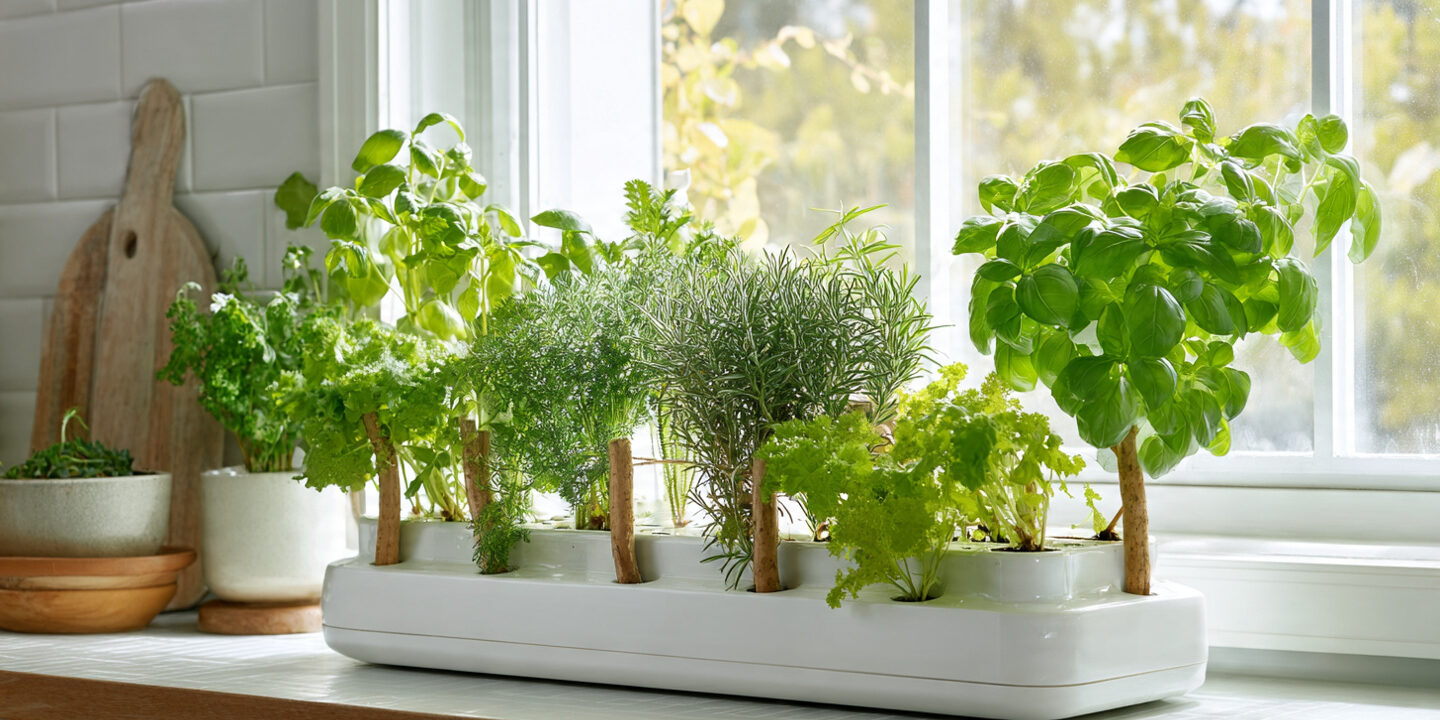
A home hydroponic garden gives you a cleaner, easier, and more controlled way to grow fresh vegetables and herbs without using traditional soil. Instead of depending on outdoor space, weather, or garden beds, you can grow food indoors with water, nutrients, light, and the right system.
For many families in the USA, this is more than a gardening trend. It is a practical solution for rising grocery costs, limited backyard space, and the desire for fresher food. In fact, a compact hydroponic setup can fit in a kitchen, apartment, garage, basement, or sunny indoor corner.
However, choosing the right system matters. Some setups are perfect for basil, lettuce, mint, and parsley. On the other hand, larger vegetables like tomatoes, cucumbers, and peppers need stronger lights, deeper root support, and better nutrient control.
A good home hydroponic garden should make growing simple, not stressful. Therefore, the best choice depends on your space, budget, plant goals, and experience level.
Why More Homeowners Are Choosing Hydroponics
Hydroponic gardening works well because plant roots receive water and nutrients directly. As a result, plants do not need to search through soil for food. This can support healthier growth when the system is managed correctly.
- It allows year-round growing in many indoor spaces.
- It reduces mess because there is no traditional soil.
- It helps beginners grow herbs and leafy greens with less guesswork.
- It gives better control over water, nutrients, and lighting.
- It can work well for small homes, apartments, and urban spaces.
Who Should Consider a Hydroponic System?
A hydroponic system for home garden use is ideal for people who want fresh produce without managing a full outdoor garden. Additionally, it works well for busy homeowners who want a simple, repeatable growing routine.
- Apartment residents with limited outdoor space
- Home cooks who use fresh herbs often
- Families who want cleaner, homegrown greens
- Beginners looking for a low-maintenance gardening method
- Gardeners who want to grow food during colder months
In simple terms, a hydroponic home garden helps you bring fresh food closer to your daily life. With the right system, you can start small, learn quickly, and enjoy regular harvests from your own indoor growing space.
How a Hydroponic Home Garden Works
A hydroponic home garden works by replacing soil with a water-based growing environment. Instead of planting roots in dirt, you place them in a system where they receive oxygen, nutrients, water, and light in a controlled way.
This process may sound technical at first. However, most modern systems are designed for beginners. Many indoor units include a water tank, grow baskets, LED lights, a pump, and simple nutrient instructions. As a result, you can start growing without building a complex garden from scratch.
The main idea is simple. Plants need support, moisture, nutrients, and light. Soil usually provides some of these things. In a hydroponic setup, the system delivers them more directly.
The Main Parts of a Home Hydroponic Setup
Every home hydroponic garden uses a few core parts. Some systems are basic, while others are more advanced. Still, the foundation is usually the same.
- A water reservoir that holds the nutrient solution
- Grow baskets or net pots that support the plants
- A growing medium such as clay pebbles, coco coir, or rockwool
- Liquid nutrients made for hydroponic growing
- A light source, usually LED grow lights, for indoor setups
- A pump or air stone in systems that need oxygen movement
Why Nutrients Matter So Much
In traditional gardening, plants pull nutrients from the soil. However, a hydroponic system for home garden growing depends on a balanced nutrient solution. This solution usually contains nitrogen, phosphorus, potassium, calcium, magnesium, and trace minerals.
For example, leafy greens need strong nitrogen support for healthy leaves. On the other hand, fruiting vegetables like tomatoes and peppers need more potassium and phosphorus during flowering and fruit production.
- Nitrogen supports leafy growth.
- Phosphorus helps roots and flowers develop.
- Potassium supports overall plant strength.
- Calcium helps reduce growth issues in fruiting crops.
- Magnesium supports healthy green leaves.
The Role of Light, Water, and Oxygen
Light is one of the biggest success factors in a home hydroponic garden. Herbs and leafy greens can grow well under quality LED lights. However, tomatoes, cucumbers, and peppers usually need stronger lighting and more growing space.
Water also needs attention. If the water is too dirty, too warm, or poorly oxygenated, roots can suffer. Therefore, many systems use airstones or pumps to keep oxygen circulating the roots.
- Good lighting supports stronger growth.
- Clean water helps protect root health.
- Proper oxygen prevents weak or stressed roots.
- Balanced nutrients help plants grow consistently.
Once you understand these basics, a hydroponic home garden becomes much easier to manage. You are not just watering plants. Instead, you are creating a controlled growing environment that helps vegetables and herbs perform better indoors.
Best Plants to Grow in a Home Hydroponic Garden
The best plants for a home hydroponic garden are usually fast-growing, compact, and easy to manage indoors. Herbs and leafy greens are the most beginner-friendly choices because they do not need heavy support, deep root space, or advanced pollination.
However, you are not limited to lettuce and basil. With the right lighting and system size, many vegetables can grow well hydroponically. For example, cherry tomatoes, peppers, cucumbers, and strawberries can perform well in larger setups.
The key is matching the plant to the system. A small countertop unit may be perfect for herbs. On the other hand, a larger hydroponic system for home garden growing is better for vegetables that need height, airflow, and stronger nutrition.
Easiest Herbs for Hydroponic Growing
Herbs are a great starting point because they grow quickly and fit easily into small indoor systems. Additionally, they offer everyday value for cooking, salads, teas, and garnishes.
- Basil grows fast and responds well to regular harvesting.
- Mint is hardy, fragrant, and useful for drinks and cooking.
- Parsley grows steadily and works well in compact systems.
- Cilantro can grow well, although it prefers cooler conditions.
- Chives often stay compact and are easy to harvest.
- Dill grows quickly but may need more vertical space.
For most beginners, basil is one of the best first choices. It grows quickly, shows visible progress, and rewards regular trimming. As a result, it helps new growers build confidence early.
Best Vegetables for Beginners
Leafy vegetables are ideal for a first hydroponic home garden. They grow fast, need moderate light, and do not require complicated care. In fact, many indoor gardeners start with greens before moving to fruiting plants.
- Lettuce is one of the easiest hydroponic vegetables.
- Spinach works well in cooler indoor conditions.
- Kale grows strongly and provides repeated harvests.
- Swiss chard offers colorful leaves and steady production.
- Arugula grows quickly and adds a strong flavor to salads.
- Bok choy performs well in many water-based systems.
These crops are practical because they do not need much vertical space. Therefore, they are suitable for kitchen counters, shelves, grow tents, and small indoor gardening areas.
Vegetables That Need More Space and Care
Some vegetables can grow beautifully in a home hydroponic garden, but they need more planning. Tomatoes, cucumbers, and peppers produce fruit, so they require stronger light, stable nutrients, and support structures.
- Cherry tomatoes need vertical support and strong grow lights.
- Peppers need warmth, light, and steady nutrient levels.
- Cucumbers need space, airflow, and a trellis system.
- Strawberries need careful moisture control around the roots.
- Green beans may need climbing support in larger systems.
These plants can be rewarding, especially for serious home growers. However, beginners should start with herbs and leafy greens first. Then, once the system feels familiar, larger vegetables become easier to manage.
Quick Plant Selection Guide
- Choose herbs if you want a small, low-maintenance setup.
- Choose lettuce and greens if you want faster harvests.
- Choose tomatoes or peppers if you have strong lighting.
- Choose cucumbers only if you have enough vertical space.
- Choose compact plant varieties for better indoor results.
A successful hydroponic home garden starts with realistic plant choices. When you grow the right crops in the right system, your results become more consistent and less frustrating.
Types of Hydroponic Systems for Home Growing
Choosing the right system is one of the most important decisions for a successful home hydroponic garden. Each setup works differently, and each one fits a different type of grower. Some systems are simple and beginner-friendly. Others offer more control, but they also need more attention.
Before buying anything, think about your space, plant goals, budget, and comfort level. For example, a kitchen herb garden needs a different setup than a tomato-growing station in a basement or garage.
Additionally, not every hydroponic system for home garden use is built for every crop. Leafy greens often do well in simple water-based systems. However, fruiting vegetables need stronger lighting, deeper containers, and better nutrient management.
Deep Water Culture
Deep Water Culture, often called DWC, is one of the easiest systems for beginners. Plant roots sit in oxygen-rich nutrient water, while net pots hold the plants above the reservoir.
- Best for lettuce, spinach, kale, basil, and leafy greens
- Simple setup with fewer moving parts
- Great for learning nutrient and water basics
- Usually affordable for beginners
However, oxygen is important in this system. Therefore, most DWC setups use an air pump and air stone to keep roots healthy.
Nutrient Film Technique
Nutrient Film Technique, or NFT, uses a thin stream of nutrient water that flows past the plant roots. This system is popular for leafy greens and herbs because it supports fast, clean growth.
- Best for lettuce, basil, parsley, and small greens
- Efficient use of water and nutrients
- Works well for multiple plants in a row
- Better for growers with some basic experience
On the other hand, NFT systems depend on steady water flow. If the pump stops, roots can dry out quickly.
Drip Hydroponic System
A drip system delivers nutrient solution directly to the base of each plant. As a result, it gives better control for larger plants that need steady feeding.
- Best for tomatoes, peppers, cucumbers, and larger herbs
- Good for serious indoor or greenhouse growers
- Allows flexible plant spacing
- Can support larger root systems
However, drip lines can clog if the system is not cleaned. Therefore, regular maintenance is important.
Wick System
A wick system is one of the simplest hydroponic methods. It uses a wick to pull nutrient water from the reservoir to the plant roots.
- Best for small herbs and low-water plants
- No pump required in many designs
- Low-cost and quiet
- Good for basic learning and small spaces
However, this method is not ideal for fast-growing vegetables. It usually cannot deliver enough water for heavy-feeding plants.
Ebb and Flow System
An ebb and flow system floods the grow tray with nutrient water, then drains it back into the reservoir. This cycle gives roots both moisture and oxygen.
- Best for mixed crops and intermediate growers
- Works with many vegetables and herbs
- Supports stronger root development
- Offers more flexibility than basic systems
In fact, many experienced home growers like this option because it balances control and performance. Still, it needs a timer, pump, and proper setup.
Aeroponics
Aeroponics suspends plant roots in the air and sprays them with nutrient mist. This can support fast growth, but it is more advanced than most beginner systems.
- Best for experienced growers
- Uses oxygen very efficiently
- Can produce strong growth when managed well
- Requires careful monitoring and reliable equipment
For most beginners, aeroponics is not the first choice. However, it can be powerful for growers who want a high-performance hydroponic home garden and are comfortable with maintenance.
Home Hydroponic Garden Comparison Table
Every home hydroponic garden has different strengths. Some systems are built for beginners, while others are better for serious growers. Therefore, comparing them side by side can help you choose with more confidence.
The best system is not always the most expensive one. Instead, the right choice depends on what you want to grow, how much space you have, and how much maintenance you can handle.
For example, a countertop unit may be perfect for kitchen herbs. However, it may not support tomatoes or cucumbers well. On the other hand, a larger drip or ebb and flow system can handle bigger plants, but it needs more planning.
| Hydroponic System Type | Best For | Skill Level | Maintenance | Main Benefit | Possible Limitation |
|---|---|---|---|---|---|
| Deep Water Culture | Lettuce, spinach, kale, basil | Beginner | Low to medium | Simple setup and fast learning curve | Needs good oxygen movement |
| Nutrient Film Technique | Leafy greens and herbs | Beginner to intermediate | Medium | Efficient water and nutrient use | Pump failure can affect plants quickly |
| Drip System | Tomatoes, peppers, cucumbers | Intermediate | Medium | Great for larger vegetables | Drip lines may clog over time |
| Wick System | Small herbs and light feeders | Beginner | Low | Quiet, simple, and affordable | Not ideal for heavy-feeding vegetables |
| Ebb and Flow | Mixed vegetables and herbs | Intermediate | Medium | Flexible for different crops | Requires timer and pump setup |
| Aeroponics | Advanced indoor growing | Advanced | High | Strong oxygen exposure for roots | Needs reliable equipment and monitoring |
Which System Offers the Best Balance?
For most beginners, Deep Water Culture offers the best balance of cost, simplicity, and results. It works well for herbs and leafy greens, which are usually the easiest crops to grow indoors.
Additionally, a compact hydroponic system for home garden use can help new growers learn the basics before moving into larger setups. This is important because hydroponics rewards consistency more than complexity.
- Choose Deep Water Culture if you want a simple first system.
- Choose NFT if you want neat rows of herbs or lettuce.
- Choose drip systems if you want larger vegetable production.
- Choose wick systems if you want a quiet, low-cost herb setup.
- Choose aeroponics only if you are ready for advanced care.
A well-chosen hydroponic home garden should fit your daily routine. If it feels too complicated, you may avoid maintaining it. As a result, the best system is the one you can manage consistently.
How to Choose the Right Hydroponic System for Your Space
The best home hydroponic garden is the one that fits your real lifestyle. A large system may look impressive, but it can become frustrating if you do not have enough space, time, or light. Therefore, it is better to choose a setup you can maintain easily.
Start by looking at where the system will live. For example, a small kitchen counter works well for basil, mint, parsley, and lettuce. However, a garage, basement, spare room, or grow tent can support larger vegetables with stronger lighting.
Additionally, think about your daily routine. Hydroponics does not require soil work, but it still needs attention. You must check water levels, add nutrients, monitor plant growth, and clean the system regularly.
Match the System to Your Growing Space
Before buying a hydroponic system for home garden use, measure your available area. This includes width, height, and access to power. Many beginners forget vertical space, especially when growing tomatoes or cucumbers.
- Kitchen counters work best for herbs and small greens.
- Window areas may help, but indoor lights are still useful.
- Basements need strong grow lights and good airflow.
- Garages may need temperature control in colder states.
- Grow tents offer better control for serious indoor gardeners.
In colder parts of the USA, indoor systems are especially helpful during winter. As a result, homeowners can keep growing fresh greens even when outdoor gardens are not active.
Consider Your Plant Goals
Your plant choice should guide your system choice. A small hydroponic home garden can grow herbs beautifully, but it may struggle with heavy fruiting crops.
- For herbs, choose a small countertop or wick-style system.
- For lettuce, choose DWC or NFT systems.
- For kale and spinach, choose a system with steady light.
- For tomatoes, choose a deeper system with plant support.
- For cucumbers, choose a larger setup with vertical growing space.
For example, someone in a New York apartment may prefer a compact indoor garden for herbs. On the other hand, a homeowner in Texas with a garage or sunroom may choose a larger system for peppers and tomatoes.
Check the Lighting Requirements
Lighting can make or break a home hydroponic garden. Many beginner systems include built-in LED lights, which are useful for herbs and leafy greens. However, bigger vegetables often need stronger light intensity.
- Herbs usually need moderate indoor lighting.
- Leafy greens grow well under quality LED lights.
- Tomatoes and peppers need stronger light exposure.
- Weak lighting can cause thin, stretched plants.
- Adjustable light height helps plants grow properly.
As a result, you should not choose a system based only on appearance. Instead, review lighting strength, plant height limits, and whether replacement parts are easy to find.
Think About Maintenance and Budget
A good system should save effort, not create constant problems. Therefore, beginners should avoid overly complex setups at first. Simple systems help you learn faster and make fewer costly mistakes.
- Choose a system with easy water access.
- Look for parts that are simple to clean.
- Check nutrient refill costs before buying.
- Choose quiet pumps for kitchens or living areas.
- Avoid systems that are too small for your plant goals.
In the end, the right hydroponic home garden should feel practical. It should fit your space, support your favorite crops, and make fresh food easier to grow at home.
Comparison with Competitors: Why This Guide Helps You Choose Better
Many articles about a home hydroponic garden focus only on product names. That can be helpful, but it often leaves beginners confused. A product list does not always explain why one system works better for herbs, while another is better for larger vegetables.
Additionally, some guides recommend expensive systems without explaining daily maintenance. As a result, new growers may buy a setup that looks advanced but feels difficult to manage after a few weeks.
This guide takes a more practical approach. Instead of pushing one system for everyone, it explains how each option fits different homes, crops, and experience levels.
What Most Competitor Articles Usually Cover
Most competing pages give basic recommendations. However, they often miss real-world buying details that matter for home growers in the USA.
- They list products without explaining plant compatibility clearly.
- They focus on features but not daily usability.
- They mention beginners but do not explain common mistakes.
- They rarely compare herbs, leafy greens, and fruiting vegetables separately.
- They often ignore space limits in apartments and smaller homes.
How This Article Gives More Practical Value
A strong hydroponic system for home garden use should match the grower, not just the trend. Therefore, this article focuses on decision-making, not only product discovery.
- It explains which systems work best for specific vegetables and herbs.
- It helps beginners avoid buying a system that is too complex.
- It compares maintenance levels before users invest money.
- It includes realistic indoor growing examples for USA homes.
- It explains lighting, nutrients, oxygen, and space in simple terms.
For example, a countertop garden may be excellent for basil and parsley. However, it may disappoint someone expecting large tomato harvests. On the other hand, a drip system can support larger vegetables, but it needs more cleaning and setup knowledge.
Why Practical Matching Matters
The best hydroponic home garden is not always the most advanced system. In fact, beginners often get better results from a simple setup they can manage consistently.
That is why this guide looks at use cases instead of only features. A retired couple in Florida may want fresh herbs near the kitchen. Meanwhile, a family in Illinois may want winter lettuce from a basement grow shelf.
- Small kitchens need compact systems.
- Busy homeowners need easy maintenance.
- Families may need a larger growing capacity.
- Apartment growers need quiet, clean systems.
- Serious growers need stronger lighting and control.
By comparing systems this way, you can choose with more confidence. As a result, your home hydroponic garden becomes a useful food-growing tool, not just another unused gadget.
Pros and Cons of Starting a Hydroponic Home Garden
A hydroponic home garden can be a smart investment for people who want fresh herbs and vegetables at home. However, it is important to understand both the benefits and the limitations before choosing a system.
Hydroponics can make growing easier in many ways. For example, you do not need outdoor soil, raised beds, or traditional wedding. Additionally, indoor systems can help you grow fresh food during winter, rainy seasons, or extreme summer heat.
On the other hand, hydroponics still needs care. You must manage water, nutrients, light, and cleaning. Therefore, it is not completely “set it and forget it.” It works best when you follow a simple weekly routine.
Pros of a Home Hydroponic Garden
A home hydroponic garden offers strong benefits for beginners, apartment residents, and families who want reliable access to fresh produce.
- You can grow herbs and greens indoors throughout the year.
- You avoid many soil-based pests and weeds.
- You can use less water than many traditional gardening methods.
- You control nutrients, light, and growing conditions more directly.
- You can start small with a countertop or shelf-based system.
- You can harvest fresh herbs right before cooking.
- You can grow food in apartments, condos, and smaller homes.
As a result, a small indoor setup can offer real daily value. Fresh basil, lettuce, mint, and parsley can become part of regular meals instead of occasional grocery purchases.
Cons to Consider Before Buying
Although a hydroponic system for home garden use can be simple, it still has a learning curve. Some beginners struggle because they expect instant results without regular checks.
- Most systems need electricity for lights, pumps, or timers.
- Nutrient levels must be managed correctly.
- Water quality can affect root health and plant growth.
- Some systems require regular cleaning to prevent buildup.
- Larger vegetables need more space and stronger lighting.
- Pump failure can quickly affect certain systems.
- Initial costs may be higher than basic soil gardening.
However, most of these challenges are manageable. In fact, many beginners succeed when they start with herbs or leafy greens before moving to larger crops.
Is Hydroponics Worth It for Home Growers?
For many USA households, a hydroponic home garden is worth considering. It is especially useful if you cook often, want fresher greens, or live somewhere with limited outdoor gardening space.
Additionally, the value goes beyond cost savings. You gain convenience, better control, and the satisfaction of growing food yourself. Therefore, the best approach is to start with a manageable system and expand later.
- Start with easy herbs if you want the lowest risk.
- Choose leafy greens if you want faster harvests.
- Upgrade to larger vegetables once you understand the basics.
- Keep maintenance simple with a weekly care schedule.
A home hydroponic garden is not perfect for every person. However, for the right grower, it can make fresh, homegrown food more accessible, practical, and enjoyable.
Customer Testimonial Highlights for Home Hydroponic Garden Buyers
Customer feedback can reveal what product descriptions often miss. When people buy a home hydroponic garden, they usually care about ease of setup, plant growth, cleaning, noise, and long-term value.
In many cases, beginners are not looking for the most advanced system. Instead, they want something that works reliably, looks clean indoors, and helps them grow fresh herbs or vegetables without stress.
However, reviews also show that expectations matter. A small indoor garden can grow basil, lettuce, and mint very well. On the other hand, it may not deliver large tomato harvests unless it has enough height, light, and root space.
What Happy Customers Usually Appreciate
Positive reviews for a hydroponic system for home garden use often mention convenience. Many buyers enjoy seeing plants grow quickly, especially when they start with herbs or leafy greens.
- Easy assembly with clear setup instructions
- Fast herb growth within the first few weeks
- Clean indoor growing without soil mess
- Fresh basil, lettuce, and mint are available at home
- Attractive design that fits kitchens and apartments
- Built-in LED lights that simplify indoor growing
- Low daily effort once the system is running
For example, a home cook in California may value fresh basil for pasta and salads. Meanwhile, an apartment renter in Chicago may appreciate growing lettuce indoors during winter. As a result, satisfaction often comes from choosing the right system for the right lifestyle.
Common Concerns Mentioned by Buyers
Not every review is perfect, and that is useful. Honest feedback helps new buyers understand what to check before purchasing a hydroponic home garden.
- Some systems are too small for larger vegetables.
- Water tanks may need refilling more often than expected.
- Pumps can make noise in quiet rooms.
- Replacement pods or nutrients may add ongoing costs.
- Weak lighting can lead to thin or stretched plants.
- Cleaning can be harder if parts are not removable.
However, these concerns do not mean hydroponics is a bad choice. They simply show why buyers should compare size, lighting, parts, and maintenance before choosing a system.
What Reviews Teach First-Time Growers
The most helpful lesson is simple. A home hydroponic garden performs best when expectations match the system. Small countertop units are excellent for herbs and greens. However, larger vegetables need more serious equipment.
- Read reviews from people growing the same plants you want.
- Check whether users mention strong root growth.
- Look for comments about cleaning and refill frequency.
- Pay attention to noise if the system will sit indoors.
- Choose systems with easy-to-find replacement parts.
Customer experiences also show that beginners should start simple. Therefore, a compact hydroponic system for home garden growing is often better than an oversized system that becomes difficult to manage.
Common Mistakes to Avoid Before Setting Up Your Indoor Garden
A home hydroponic garden can make growing food easier, but small mistakes can affect results quickly. Since plants depend on water, nutrients, oxygen, and light, each part of the system needs basic attention.
Fortunately, most beginner mistakes are easy to prevent. You do not need to become an expert overnight. However, you do need a simple routine that keeps your plants healthy and your system clean.
Many new growers fail because they choose the wrong system for their goals. For example, a small herb garden may work beautifully for basil, but it may disappoint someone expecting full-size cucumbers or tomatoes.
Choosing the Wrong System Size
Size matters more than many people realize. A small hydroponic home garden is convenient, but it has limits. If plants outgrow the system, roots can become crowded, airflow may drop, and harvest quality can decline.
- Choose compact systems for herbs and small greens.
- Use larger systems for tomatoes, cucumbers, and peppers.
- Check plant height limits before buying.
- Leave enough space between plants for airflow.
- Avoid overcrowding seed pods just to grow more plants.
Ignoring Light Requirements
Light is one of the biggest growth factors in a hydroponic system for home garden use. Weak lighting often causes thin stems, pale leaves, and slow growth. Therefore, you should match the light strength to your plants.
- Use built-in LEDs for herbs and leafy greens.
- Choose stronger grow lights for fruiting vegetables.
- Adjust light height as plants grow taller.
- Keep a consistent light schedule each day.
- Watch for stretched plants, which often signal weak light.
Using the Wrong Nutrients
Regular plant food is not always suitable for hydroponics. Since there is no soil, your plants rely fully on the nutrient solution. As a result, you should use nutrients made specifically for water-based growing.
- Use hydroponic nutrients, not standard garden fertilizer.
- Follow dosage instructions carefully.
- Adjust feeding based on plant type and growth stage.
- Refresh the water regularly to prevent buildup.
- Do not overfeed, because excess nutrients can stress plants.
Forgetting Cleaning and Maintenance
Even a simple home hydroponic garden needs regular cleaning. Over time, algae, mineral buildup, and old roots can affect water flow and root health. However, a short weekly check can prevent most issues.
- Clean the reservoir between growing cycles.
- Remove dead leaves before they decay.
- Check pumps and tubes for blockages.
- Keep light away from exposed water to reduce algae.
- Replace old nutrient solution as recommended.
When you avoid these mistakes, your hydroponic home garden becomes easier to manage. More importantly, your plants get the stable growing conditions they need to produce better harvests.
Strong Call-to-Action: Start Growing Fresh Food at Home
A home hydroponic garden is one of the simplest ways to bring fresh vegetables and herbs into your daily routine. You do not need a large backyard, perfect weather, or years of gardening experience. You only need the right system, the right plants, and a simple care routine.
If you are just starting, begin with herbs or leafy greens. They grow quickly, need less space, and help you understand how hydroponics works. As a result, you can build confidence before moving into larger vegetables.
Additionally, a compact hydroponic system for home garden use can fit naturally into many homes. It can sit on a kitchen counter, utility shelf, indoor rack, or dedicated grow area. Therefore, you can choose a setup that matches your space instead of forcing your home to fit the system.
Choose the Right System for Your Goals
Before you buy, think about what you want from your garden. Do you want fresh basil for cooking? Do you want lettuce for salads? Or do you want to grow tomatoes and peppers indoors?
- Choose a countertop system if you want fresh herbs.
- Choose Deep Water Culture if you want easy leafy greens.
- Choose NFT if you want clean rows of lettuce and herbs.
- Choose a drip system if you want larger vegetables.
- Choose a grow tent setup if you want more control.
Make Your First Setup Simple
Your first hydroponic home garden should not feel overwhelming. In fact, starting small is often the smartest choice. A simple setup helps you learn water levels, nutrients, lighting, and harvesting without wasting money.
- Start with two to four easy plants.
- Use hydroponic nutrients from a reliable brand.
- Keep your light schedule consistent.
- Check water levels at least once a week.
- Clean the system between planting cycles.
Once you get comfortable, you can expand. For example, you may start with basil and lettuce, then add kale, mint, parsley, peppers, or tomatoes later.
Ready to Build Your Indoor Growing Routine?
Fresh food feels different when you grow it yourself. It tastes better, feels more rewarding, and gives you more control over what reaches your plate. Therefore, now is a great time to choose a system that fits your home and start your first growing cycle.
Start with a practical home hydroponic garden, choose beginner-friendly plants, and build your confidence one harvest at a time. With the right setup, fresh herbs and vegetables can become part of your everyday life, not just your grocery list.
FAQs About Home Hydroponic Gardens
1. What is the best home hydroponic garden for beginners?
The best home hydroponic garden for beginners is usually a compact countertop system or a Deep Water Culture setup. These systems are easier to manage, affordable, and suitable for herbs and leafy greens.
For example, basil, lettuce, mint, and parsley grow well in simple systems. Additionally, beginners can learn water levels, nutrients, and lighting without managing a large setup.
- Choose countertop systems for herbs.
- Choose Deep Water Culture for leafy greens.
- Avoid advanced systems until you understand the basics.
2. Can I grow vegetables in a hydroponic system at home?
Yes, you can grow many vegetables in a hydroponic system for home garden use. Lettuce, spinach, kale, bok choy, and arugula are among the easiest vegetables to grow indoors.
However, larger vegetables need more planning. Tomatoes, cucumbers, and peppers require stronger lights, more space, and better plant support.
- Start with leafy vegetables first.
- Move to fruiting vegetables after gaining experience.
- Use larger systems for plants with deep roots.
3. What herbs grow best in a hydroponic home garden?
The best herbs for a hydroponic home garden include basil, mint, parsley, cilantro, dill, chives, and thyme. These herbs grow well indoors and are useful for everyday cooking.
Basil is especially beginner-friendly because it grows quickly and responds well to trimming. However, cilantro prefers cooler conditions and may bolt faster in warm rooms.
- Basil is great for beginners.
- Mint grows strongly and needs regular trimming.
- Parsley and chives are steady, compact choices.
4. Do hydroponic gardens need sunlight?
A home hydroponic garden does not always need direct sunlight if it has quality grow lights. Most indoor systems use LED lights to support plant growth.
However, light strength matters. Herbs and leafy greens can grow under moderate LED lighting, while tomatoes and peppers usually need stronger light exposure.
- Use LED grow lights for indoor systems.
- Keep the light schedule consistent.
- Adjust light height as plants grow.
5. Is a hydroponic home garden expensive to maintain?
A hydroponic home garden can be affordable to maintain when you choose the right system. The main ongoing costs are nutrients, seeds or pods, water, electricity, and occasional replacement parts.
Additionally, smaller systems usually cost less to run. Larger setups may need stronger lights, pumps, timers, and more nutrients.
- Small herb systems usually have lower running costs.
- Larger vegetable systems need more electricity and nutrients.
- Reusable parts can reduce long-term costs.
6. How often should I change the water in a hydroponic system?
Most home growers change the nutrient solution every two to three weeks. However, this depends on the system size, plant type, water quality, and nutrient strength.
In between full changes, you should check the water level regularly. As a result, your plants stay hydrated, and roots remain healthier.
- Top up water when levels drop.
- Refresh nutrients based on system instructions.
- Clean the reservoir between growing cycles.
7. Is hydroponic gardening better than soil gardening?
Hydroponic gardening is not always better than soil gardening, but it is often more practical indoors. A hydroponic system for home garden growing gives you more control over water, nutrients, light, and space.
On the other hand, soil gardening can be simpler outdoors and may cost less to start. Therefore, the better choice depends on your home, goals, and available space.
- Choose hydroponics for indoor control and clean growing.
- Choose soil gardening if you have outdoor space.
- Use both methods if you want year-round flexibility.

The creator of HowToMake0.com brings well-researched knowledge and practical creativity together, offering clear, step-by-step ideas and guides to turn concepts into real projects.